Conceived & Curated by Diliara Brileva
Artwork by Niiaz Khaziakhmetov
ABOUT
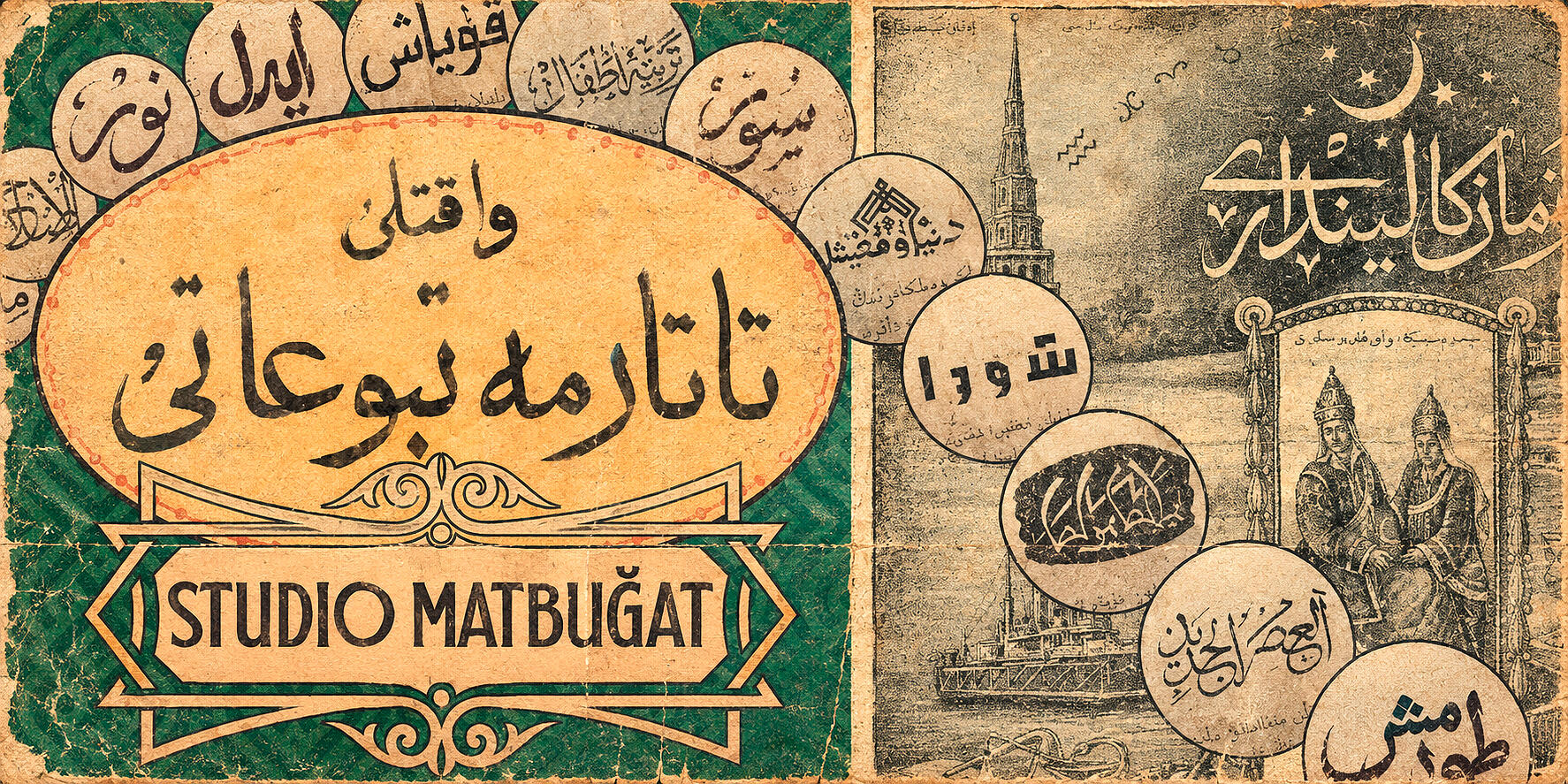
Studio Matbuğat is a digital research and media project exploring the world of Old Tatar periodical print.
It brings historical texts into different forms of encounter — as sound, transcription, language, and image. At its centre is Audio Matbuğat, a podcast in which texts from the Tatar periodical press are read aloud and discussed.Each podcast episode extends into Studio Matbuğat through a constellation of related materials: the original printed page, transcribed text, individual words, visual material, and commentary.The project approaches the periodical page not only as a historical source, but as something that can be read, heard, seen, and explored anew.A NOTE ON LANGUAGE AND TRANSCRIPTIONThe language conventionally referred to here as Old Tatar was not a uniform written standard. In the periodical press of the Volga-Ural Muslim communities, linguistic practice varied considerably between publications and individual authors. The degree of Arabic and Persian vocabulary, Ottoman Turkish influence and grammatical features, as well as proximity to spoken Tatar, depended on genre, editorial orientation and the linguistic choices of individual writers. Satirical periodicals, for example, often made greater use of vernacular forms and spoken language.The transcriptions in Studio Matbuğat therefore aim to preserve the linguistic character of each source rather than to normalise it into modern standard Tatar. This principle also informs the WORD section. Source-specific forms are retained where relevant, including forms that reflect the more strongly Ottoman-influenced language of particular texts. Where these differ substantially from more conventional Tatar forms, both may be given, with the source-specific form appearing first.
TRANSLITERATION CONVENTIONSThe Latin-script transliterations used throughout Studio Matbuğat follow the Latin-letter correspondences included in the Cyrillic–Latin–Arabic table appended to the 2012 Tatarstan legislation on the use of Tatar as a state language.This Tatar-specific system was chosen in preference to international romanization conventions developed for Arabic-language texts, as it reflects the sound system of Tatar more accurately and makes the texts readily recognizable and readable as Tatar. It also provides a consistent editorial standard across the project.
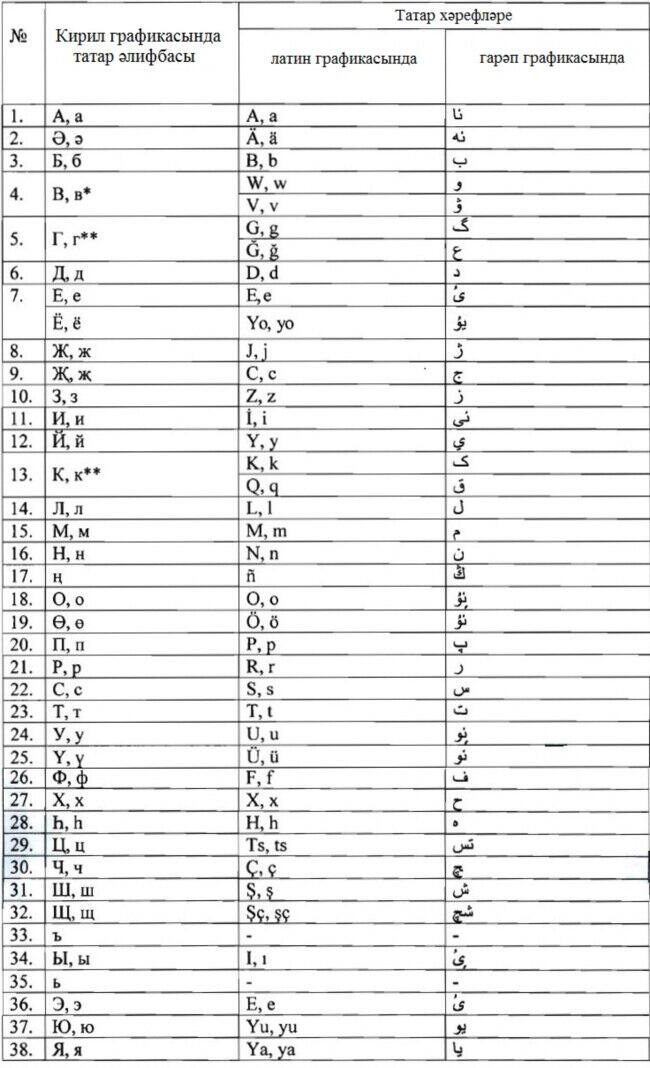
Cyrillic, Latin, and Arabic-script letter correspondences included in the appendix to the 2012 Tatarstan legislation.
Source: Azatlıq Radiosı, 24 December 2012.
Concept & Curation
Diliara Brileva
Visual Identity & Artwork
Niiaz Khaziakhmetov
ALL01A Beginning — The First Words of Şura (1908) and a Forgotten Poem (1884)
June 8, 2025Explore this episode:
AUDIO · TEXT · WORD · IMAGE
AUDIO MATBUĞATexploring language, history, and memory through reading Old Tatar texts aloud
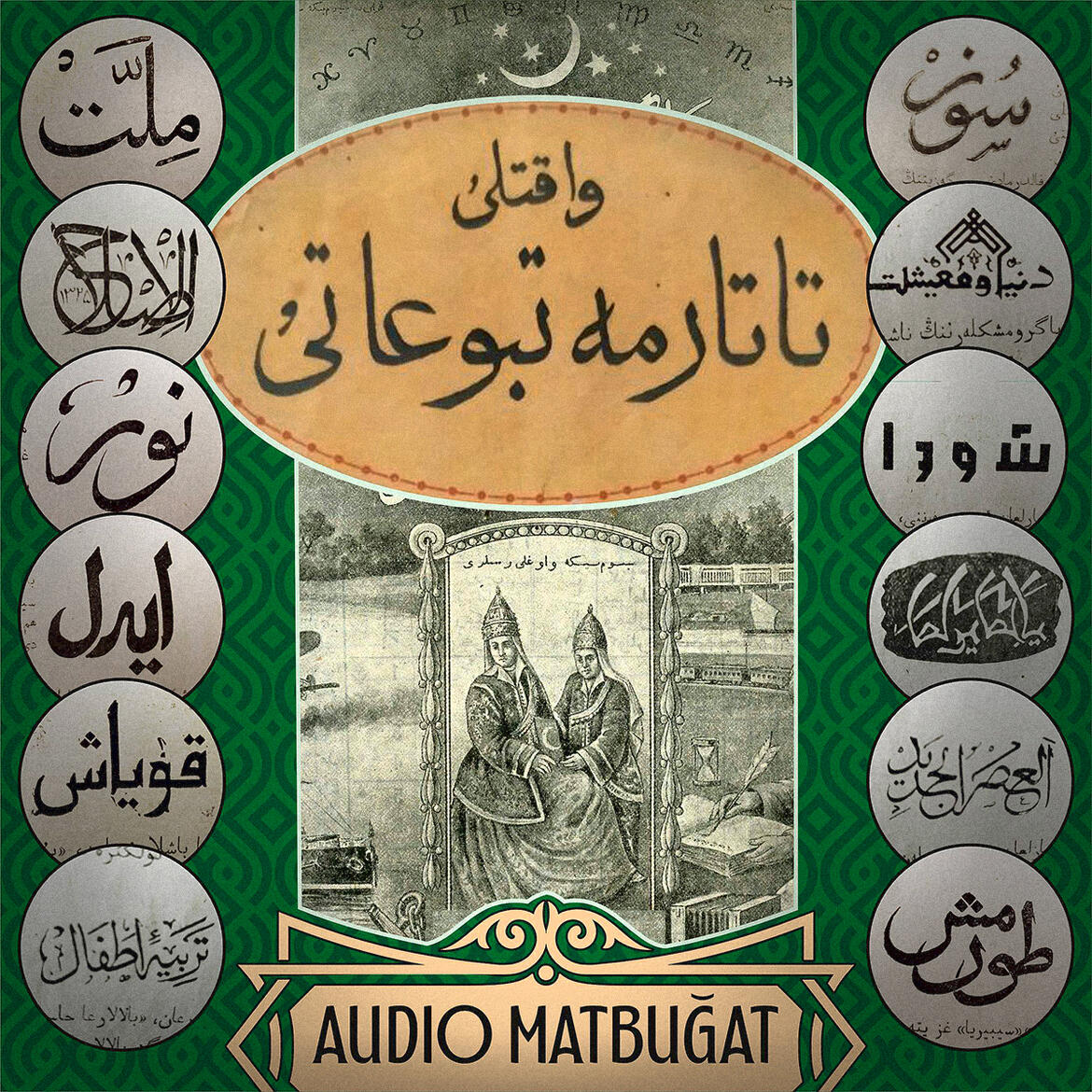
Cover artwork by Niiaz Khaziakhmetov
What shaped the language of public discourse among the Tatars of the Volga-Ural region in the early twentieth century? What would written (Old) Tatar have sounded like? And how does the academic and personal background of a researcher shape their phonetic interpretation of texts written and printed in (Old) Tatar?These questions echoed in my mind each time I attempted to read these sources aloud — and heard my own voice respond. Sometimes my pronunciation carried the accent of modern Tatar, especially when the word still exists in the language today. At other times, the accent leaned toward Turkish, as the word had entered my vocabulary through contemporary Turkish.In one way or another, these recordings became my working voice notes — a space where I return to clarify forgotten details or recall precise phrasings.This podcast brings together a series of readings from newspapers and journals published in the Volga-Ural region of late imperial Russia, in the (Old) Tatar language — a living archive of language, sound, and memory.
LISTEN ON
Spotify · Apple Podcasts · SoundCloud
EPISODES01 — A Beginning – The First Words of Şura (1908) and a Forgotten Poem (1884)
June 8, 2025Listen to this episode:
Spotify · Apple Podcasts · SoundCloud
TEXTTranscriptions of the Old Tatar texts read in each episode of Audio Matbuğat, presented alongside the original printed pages.
01 — A Beginning — The First Words of Şura (1908) and a Forgotten Poem (1884)
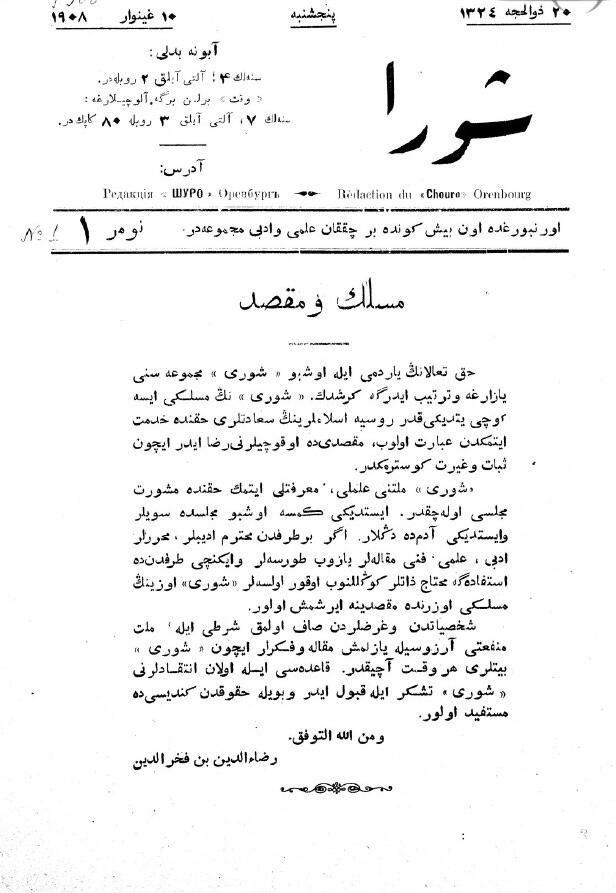
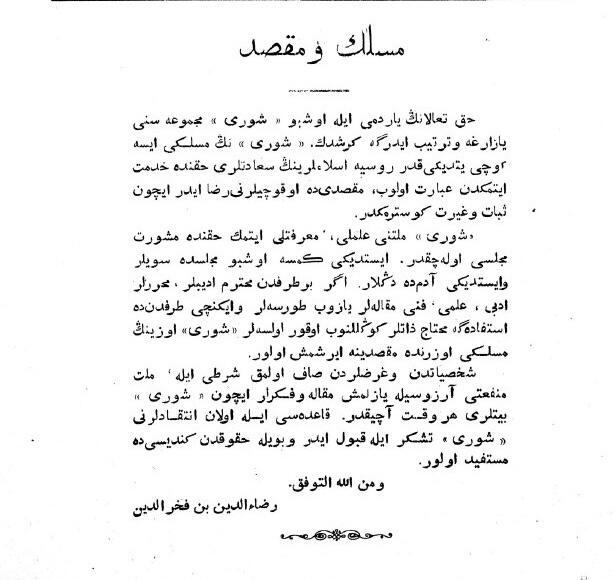
MÄSLÄK WÄ MAQSAT
Rizaeddin Fakhreddin · Şura, No. 1 · 1908
Мәсләк вә максат
Юнәлеш һәм максатХак Тәгаләнең ярдәме илә ошбу «Шура» мәҗмугасыны язарга вә тәртип идәргә керештек. «Шура»ның мәсләге исә, көче йеттиге кадәр Русия исламларының сәгадәтләре хакында хезмәт итмәктән гыйбарәт улып, максады да укучыларны риза идәр өчен сәбәт вә гайрәт күстәрмәктер.«Шура» милләтне гыйлемле, мәгърифәтле итмәк хакында мүшәввәрәт мәҗлесе улачактыр. Истәдеге кемсә ошбу мәҗлестә сөйләр, истәдеге адәм дә – диңләр. Әгәр бер тарафтан мөхтәрәм әдипләр, мөхәррирләр әдәби, гыйльми, фәнни мәкаләләр язып торсалар, вә икенче тарафтан да истифадәгә мохтаҗ затлар күңелләнеп укыр улсалар, «Шура» үзенең мәсләке үзәрендә максадына ирешмеш улыр.Шәхсияттән вә гаразлардан саф улмак шарты илә, милләт мәнфәгате арзусы илә, язылмыш мәкалә вә фикерләр өчен «Шура» битләре һәр вакыт ачыктыр. Кагыйдәсе илә улан интикадларны, «Шура», ташәккүр илә кабул идәр, вә хокукта кендиси дә мөстәфид улыр.Вә мин Аллаһи әттәваффук.Ризаэтдин бен Фәхретдин
THE STRUCTURE OF ŞURA
Şura, No. 1 · 1908
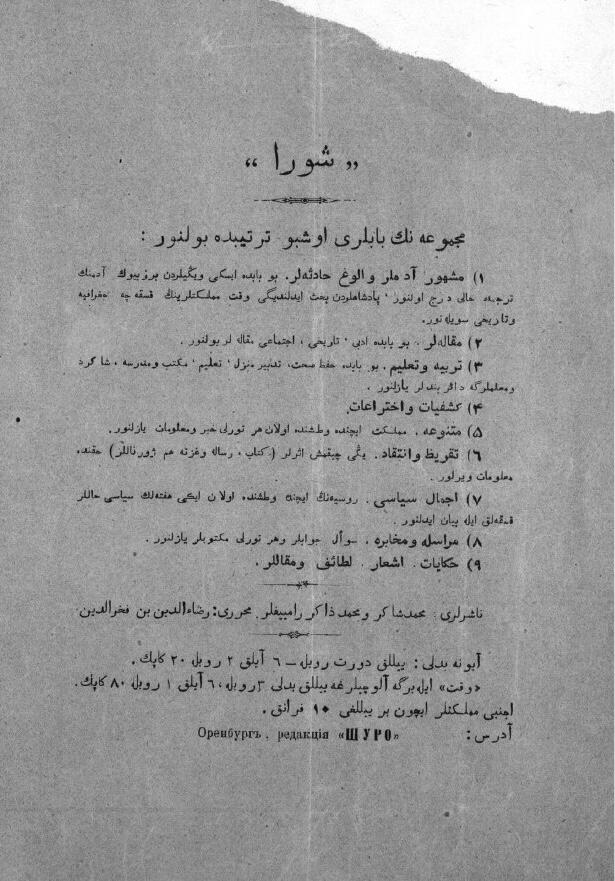
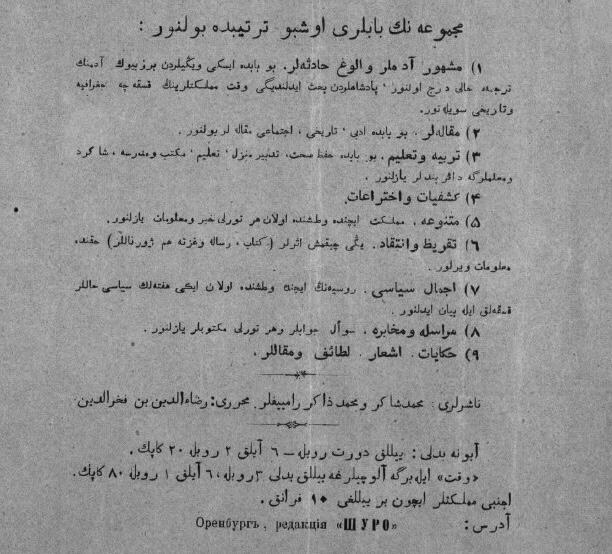
Мәҗмуганың баблары ошбу тәртиптә булыныр:1) Мәшһүр адәмләр вә олуг хәдисәләр. Бу бабта иске вә яңалардан бераз бөек адәмнең тәрҗемә-и хәле дәрәҗ улыныр. Падишаһлардан бәхес иделендеге вакыт мәмләкәтләренең кыскача җография вә тарихы сөйләнер.
2) Мәкаләләр. Бу бабта әдәби, тарихи, иҗтимагый мәкаләләр булыныр.
3) Тәрбия вә тәгълим. Бу бабта хифз-е сиххәт, тәдбир-е мәнзил, тәгълим, мәктәп вә мәдрәсә, шәкерт вә мөгаллимнәргә даир бәндләр язылыныр.
4) Кәшфият вә ихтәрәгать.
5) Мүтәнәввига. Мәмләкәт эчендә вә тышында улан һәр төрле хәбәр вә мәгълүмат язылыныр.
6) Тәкъриз вә интикад. Яңа чыкмыш әсәрләр (китап, рисалә вә газета һәм журналлар) хакында мәгълүмат вирелер.
7) Иҗмал сияси. Русиянең эчендә вә тышында улан ике һәфтәлек сияси хәлләр кыскалык илә бәян иделенер.
8) Мүрәсәлә вә мүхабәрә. Сүәл җәваплар вә һәр төрле мәктүпләр язылыныр.
9) Хикәят. Әшгарь. Ләтаиф. Вә мәкалләр.
QIYTĞA
Därdmänd · Şura, No. 1 · 1908
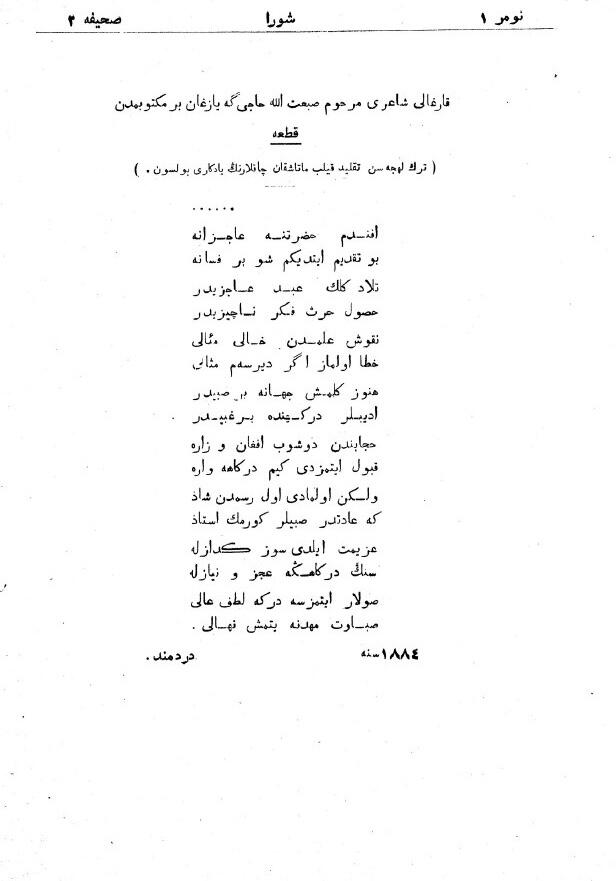
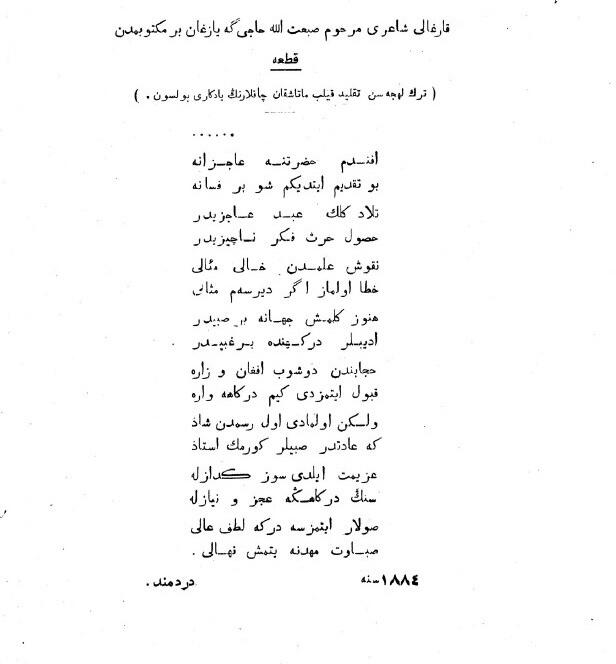
Кыйтга
Төрек ләһҗәсен тәкълид кылып маташкан чакларның ядигәре булсынКаргалы шагыйре мәрхүм Сибгатулла хаҗигә язган бер мәктүбемдән.Әфәндем хәзрәтенә гаҗизанә,
Бу тәкъдим итдегем шу бер фәсәнә,
Тиләд-е килк-е габд-е гаҗизедер,
Хосул-е харс-е фикр-е наҗизедер,
Нукуш-е гыйлемдән хали миали
Хата улмаз, әгәр дәрсәм мисали.
Һәнүз килмеш җиһанә бер сабыйдыр,
Әдипләр дәргаһендә бер габыйдыр.
Хиҗабендән дөшеп әфган-у зарә,
Кабул итмәзде кем дәргаһә варә.
Вә ләкин улмады ул рәсемдән шад,
Ки гадәттер сабыйлар күрмәк остаз.
Газыймәт әйләде сүз гөдазлә,
Синең дергаһеңә гаҗез вә ниязла.
Сулар йетмәзсә дәр ки лотыф-е гали,
Сәбавәт меһденә йетмеш ниһали.Дәрдмәнд, 1884 сәнә
WORDSelected words from the texts featured in each episode, with their historical forms and meanings.
01 — A Beginning — The First Words of Şura (1908) and a Forgotten Poem (1884)мәсләк
mäsläk
direction · orientation · guiding principleмәҗмуга
mäcmuğa
periodical · collection · journalсәгадәт
säğädät
happiness · well-being · prosperityмүшәввәрәт
müşäwwärät
consultation · deliberation · discussionкемсә
kemsä
person · someone · anyoneистифадә
istifadä
benefit · use · profitгараз
ğaraz
self-interest · ulterior motive · biasмәнфәгать
mänfäğät
benefit · interest · advantageарзу
arzu
desire · wish · aspirationинтикад
intiqad
criticism · critique · critical assessmentтәшәккүр
täşäkkür
thanks · gratitude · appreciationмөстәфид
möstäfid
beneficiary · one who benefits · one who profitsбаб
bab
section · chapter · divisionхәдисә
xädisä
event · occurrence · incidentтәрҗемә-и хәл
tärcemä-i xäl
biography · life account · biographical noticeбәхес
bäxes
treatment of a subject · discussion · inquiryтәгълим
täğlim
instruction · teaching · educationхифз-е сиххәт
xifz-e sixxät
health preservation · hygiene · healthcareтәдбир-е мәнзил
tädbir-e mänzil
household management · domestic economy · housekeepingбәнд
bänd
article · section · written pieceкәшфият
käşfiyät
discoveries · findings · discoveries madeихтирәгать
ixtirağat
inventions · innovations · things inventedмүтәнәввига
mütänäwwiğä
miscellany · varied matters · miscellaneous itemsтәкъриз
täqriz
review · critical notice · book reviewрисалә
risalä
treatise · pamphlet · bookletиҗмал
icmal
summary · overview · digestһәфтә
häftä
week · seven-day period · weekly intervalбәян
bäyan
account · exposition · statementмөрәсәлә
möräsälä
correspondence · exchange of letters · written communicationмөхабәрә
möxäbärä
correspondence · communication · exchange of messagesсүәл / сөаль
süäl / söal
question · inquiry · queryмөктүп
mäktüp
letter · written message · epistleәшгарь
äşğär
poetry · verses · poemsләтаиф
lätaif
witticisms · humorous pieces · anecdotesабунә
abunä
subscription · subscribing · subscription arrangementбәдәл
bädäl
price · fee · chargeсәнәлек
sänälek
annual · yearly · for one yearәҗнәби
äcnäbi
foreign · foreigner · from abroad
IMAGEVisual details, illustrations, and graphic elements drawn from the printed materials featured in each episode.
01 — A Beginning — The First Words of Şura (1908) and a Forgotten Poem (1884)
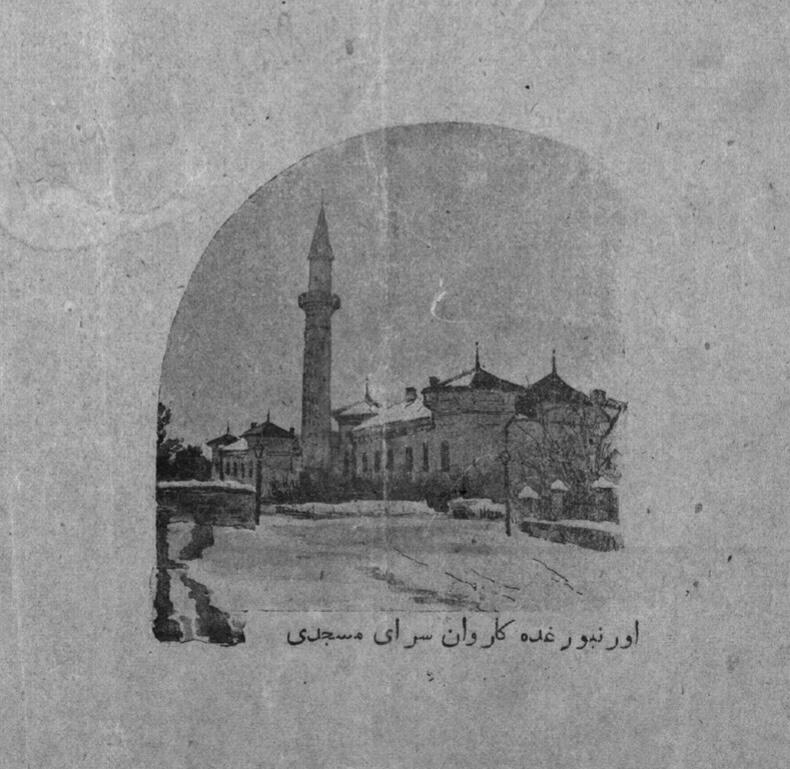
THE CARAVANSERAI MOSQUEŞura, No. 1 · 1908«Оренбургда Кәрван-сарай мәчете»
The Caravanserai Mosque in OrenburgDetail from the cover of the first issue of Şura, published in Orenburg on 15 January 1908.
IMPRINT & PRIVACYImprintThis website is operated by a private individual.Responsible for content
Diliara Brileva
Berlin, Germany
Email: [email protected]Studio Matbuğat is a personal, non-commercial digital research and media project. No commercial activity is pursued through this website.PrivacyThis website does not use its own contact forms or analytics tools.Studio Matbuğat contains links to third-party platforms, including Spotify, Apple Podcasts, SoundCloud, and external repositories. When accessing these services, data may be processed independently by the respective providers. Please consult their privacy policies for further information.No responsibility is assumed for the content or privacy practices of external websites linked from this site.For questions regarding this website, contact:
[email protected]